

Brazil Police Detain Singers in Major Crypto Money Laundering Probe
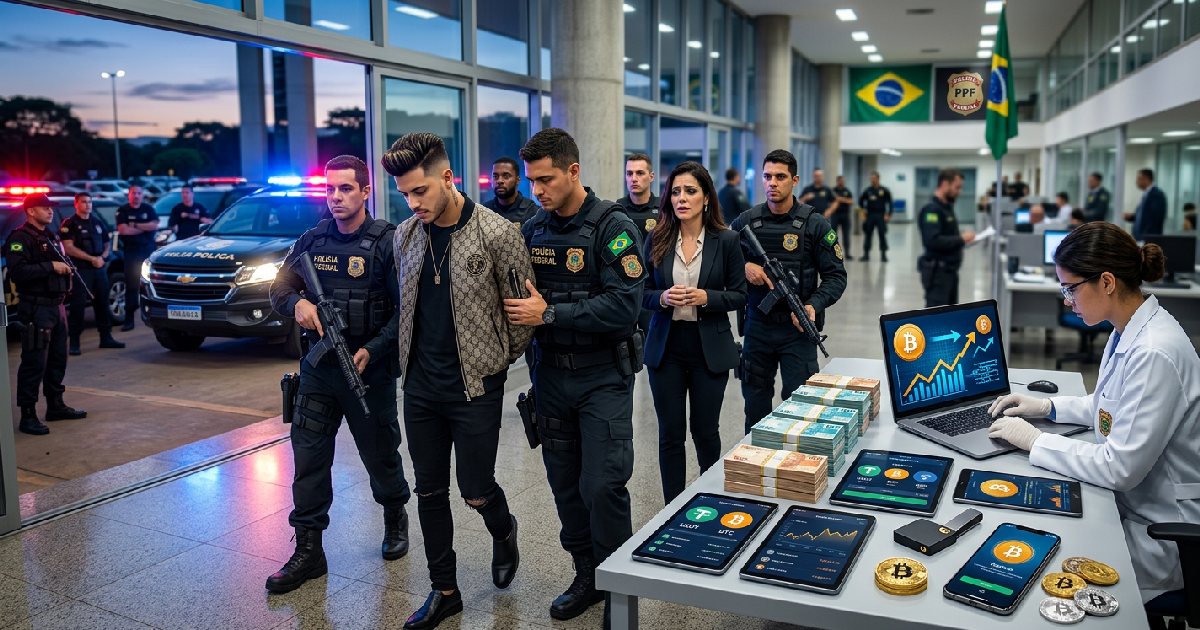
Brazilian authorities have executed a major enforcement operation targeting a sophisticated financial crime syndicate, resulting in the detention of two well-known singers. The arrests are part of a broader investigation into an extensive money laundering scheme that reportedly processed a massive volume of funds through digital asset platforms. This move by the Federal Police signals an intensifying crackdown on how organized crime utilizes the borderless nature of blockchain technology to obscure the origins of illicit wealth.
The operation, which focused on a network capable of moving a significant amount of capital, highlights the growing friction between the entertainment industry and regulatory oversight in South America. While the names of the performers have been widely shared in local media, the focus for investigators remains on the digital infrastructure that allowed such a high volume of transactions to flow without detection for months. This development comes at a time when market sentiment remains fragile due to frequent reports of regulatory friction across the global crypto sector.
The Mechanics of the Alleged Laundering Network
According to reports from the Brazilian Federal Police, the criminal organization utilized a complex web of shell companies and personal accounts to funnel funds through various cryptocurrency exchanges. By converting local currency into digital assets, the group reportedly attempted to “clean” proceeds derived from illegal activities before moving them back into the traditional banking system or offshore accounts.
Investigators suggest that high-profile figures, including the two detained singers, may have been used as conduits or “fronts” to provide a veneer of legitimacy to these transactions. The use of the arts and entertainment sector as a shield for financial crime is a tactic officials say is becoming increasingly common, as large payments for “appearances” or “productions” can be difficult to verify for authenticity. As authorities dig deeper into the ledgers, liquidity shifts and price volatility continue to make the broader market more susceptible to news regarding legal crackdowns and asset seizures.
Digital Assets and Jurisdictional Challenges
The scale of the operation is reportedly among the largest crypto-related enforcement actions in Brazil’s recent history. Authorities noted that the group took advantage of the relative speed of blockchain transactions to bypass domestic reporting requirements. However, as global tracking tools become more sophisticated, the “pseudonymous” nature of Bitcoin and other assets is providing less cover than it once did for those attempting to evade the law.
The timing of these arrests is particularly sensitive, as Brazil has been working to position itself as a hub for regulated digital finance. This incident serves as a reminder of the hurdles facing the industry. Many investors are already on edge, watching how local enforcement agencies coordinate with international partners to track the flow of digital wealth across borders.
Impact on the Brazilian Entertainment and Crypto Sectors
The involvement of household names from the Brazilian music scene has sent shockwaves through the local entertainment industry. Beyond the personal legal troubles for the individuals involved, the case is expected to trigger stricter “Know Your Customer” (KYC) requirements for agencies and influencers who deal in high-value digital asset transfers. Law enforcement agencies are reportedly looking into whether several other figures in the industry were aware of the syndicate’s operations.
For the broader cryptocurrency market in Brazil, this case strengthens the argument for the central bank’s recent push for more aggressive oversight. While the country has seen a surge in legitimate adoption, such high-profile criminal cases often lead to a “guilt by association” narrative that impacts retail investor confidence. We have seen similar patterns where negative headlines regarding illicit activity weigh heavily on the performance of associated digital assets and companies.
Regulatory Outlook and Future Enforcement
As the investigation continues, the Brazilian Federal Police are expected to share data with international law enforcement agencies, given the cross-border nature of the crypto transfers involved. The seized assets, which reportedly include luxury vehicles, real estate, and frozen exchange accounts, provide a roadmap for how the group structured its finances. Federal officials have indicated that this is only the first phase of an ongoing effort to dismantle the technical infrastructure that allows illicit funds to move through the system without triggering red flags.
Whether this leads to a permanent cooling of the market or a healthier, more transparent ecosystem remains to be seen. But for now, the intersection of celebrity culture and high-stakes financial crime has placed Brazil at the center of a global conversation regarding the ethics and regulation of digital finance.