

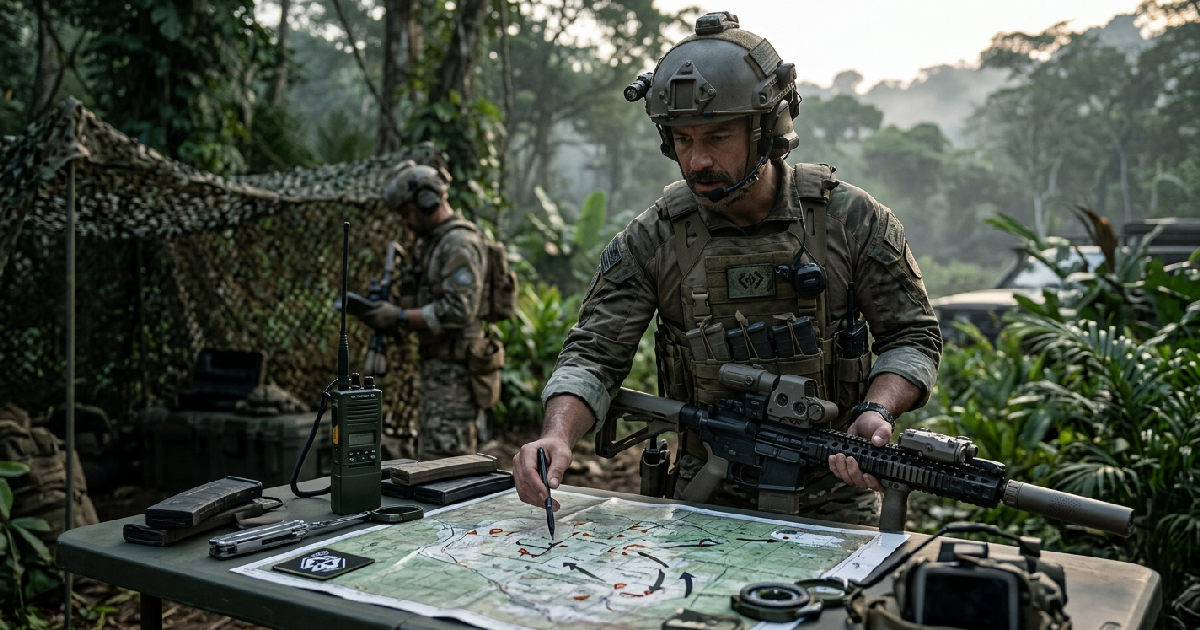
Gray Zone Warfare Spearhead Update: Essential Survival Guide and Tactical Tips
The lush, hostile jungles of Lamang Island have become significantly more dangerous for contractors following a substantial update to Gray Zone Warfare. For those stepping off the extraction helicopter for the first time or returning after a hiatus, the tactical shooter has shifted away from predictable AI encounters toward a complex, systemic survival experience that punishes carelessness with permanent gear loss.
Developers have introduced a myriad of changes that redefine how players interact with the environment, from a completely overhauled medical system to a revamped task structure. Success in the current meta isn’t just about having a steady trigger finger; it’s about understanding the logistical nuances of a world where lighting, hydration, and coordinated enemy squads are just as lethal as a well-placed bullet.
The tactical extraction shooter market has become increasingly crowded, but this latest expansion aims to solidify the title’s position among hardcore enthusiasts.
The Essential Jumpstart for New Contractors
One of the most practical additions in the recent update is the inclusion of a dedicated tutorial area. Previously, players were dropped into the thick of the action with little more than a rifle and a dream. Now, a controlled environment allows for testing weapons at the range and familiarizing oneself with the infirmary mechanics without the risk of losing high-tier gear. Even for veterans, the newly implemented Field Manual serves as a vital reference tool, particularly for navigating the expanded inventory and medical requirements.
The learning curve remains steep, though. Much like the strategic shifts seen in global gaming platforms, Gray Zone Warfare is moving toward a more structured, user-centric onboarding process while maintaining its core hardcore identity. Ignoring the tutorial effectively means volunteering to lose your initial loadout to basic mistakes.
Mastering the Medical and Stealth Overhaul
Healing in Gray Zone Warfare is no longer a simple matter of clicking a bandage. The medical system now requires players to diagnose specific types of trauma. Bone fractures, organ damage, and arterial bleeds each require distinct medical supplies. Stacking generic bandages will stop the bleeding, but failing to address a broken bone or internal trauma will leave your character staggered and ineffective in a fight. The update has also improved visual feedback; you can now see enemies react realistically to where they are hit, which provides vital intel on whether to push or hold your position.
Stealth has also moved from a niche preference to a mandatory survival skill. The ability to physically shoot out lights or disable generators allows players to manipulate the environment to their advantage. When the lights go out, those equipped with night vision goggles gain a massive tactical edge over AI units. In this environment, a slow, methodical approach is usually rewarded, whereas standard run-and-gun tactics often lead to a quick trip back to the main base via the “death” screen.
Navigating the Weapon Meta and Boss Encounters
The weapon balance has reportedly shifted with the latest update, forcing players to reconsider their loadouts. Several new assault rifle variants are being touted by the community for their stability, while certain rifles have emerged as preferred choices for designated marksmen. As the gaming landscape evolves on PC and Steam, title updates like this continue to refine how players manage their digital arsenals.
Engaging the island’s new faction bosses requires more than just better guns, however. According to reports, these bosses no longer wander solo; they are protected by heavily armed bodyguards who use coordinated squad tactics. This makes the “Secure Lockbox” more important than ever. By reserving this protected inventory space exclusively for high-value keys and rare task items, players can ensure that even a failed raid doesn’t result in a total loss of progress.
Progression and Faction Dynamics
The task system has been streamlined into Main Tasks, Side Tasks, and Contracts. Focusing on the Main Tasks is reportedly the quickest way to build reputation with vendors, which in turn unlocks the high-tier body armor and specialized ammunition needed for late-game areas. Contracts provide a way to grind resources but should realistically be secondary to vendor progression.
As players align with the Lamang Recovery Initiative (LRI), Mithras Security Systems, or Crimson Shield International, they find that the convergence of gaming and innovation continues to push the boundaries of what an extraction shooter can offer. Whether you are clearing a perimeter or managing your hydration levels for the active buffs they now provide, Gray Zone Warfare demands a level of focus that few other titles in the genre currently match.